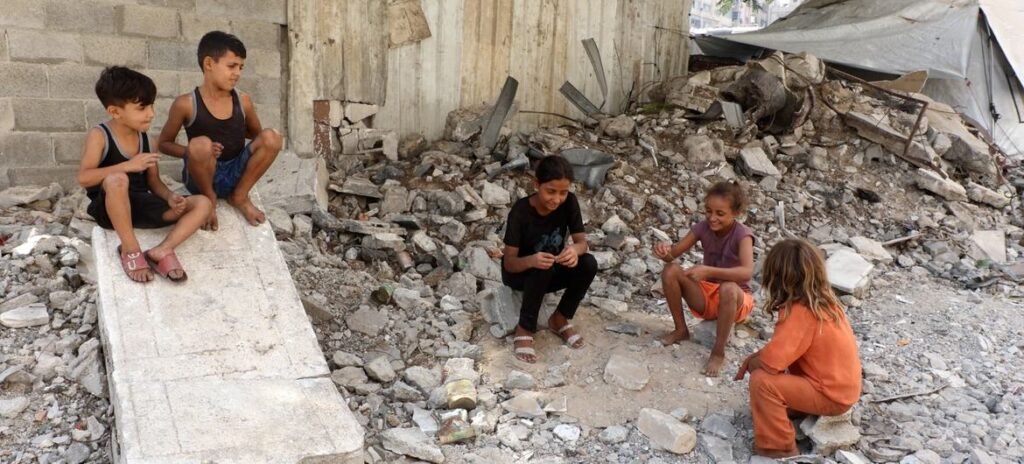
- 337 million children worldwide are at risk of being recruited.
- The number of countries where children are recruited has increased to 39, the highest in 30 years.
- This February 12 marks the 20th anniversary of the Optional Protocol on the involvement of children in armed conflict to the UN Convention on the Rights of the Child.
The Optional Protocol to the Convention on the Rights of the Child on the involvement of children in armed conflict entered into force on February 12, 2002, making this year the 20th anniversary of this international treaty, which has been ratified by 166 countries. This Protocol establishes the obligation of States to prevent the recruitment of children and adolescents by armed groups and to provide support to those who have been recruited, promoting their social reintegration.
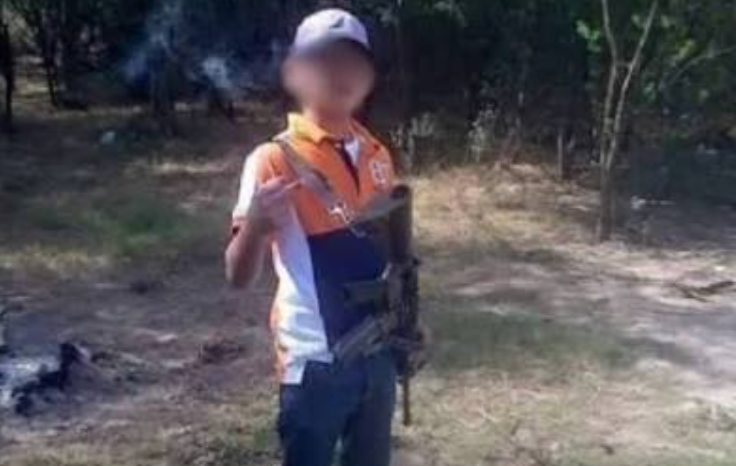
However, given the increase in armed violence and militarization throughout the region, coupled with the emergence of the Covid-19 pandemic, the number of children recruited by non-state armed groups who force them to join their ranks has increased.
A report by the organization Save the Children in 2021[1], The report indicates that 337 million children worldwide are at risk of being recruited and used by armed forces or groups. The number of countries where they are recruited has risen to 39, the highest in 30 years.
From Tejiendo Redes Infancia en América Latina y el Caribe (Weaving Networks for Childhood in Latin America and the Caribbean), we consider it a priority for States to strengthen dialogue between the different actors working for the rights of children and adolescents in territories where there is armed conflict and organized crime, in order to achieve coordinated and efficient actions to prevent disappearance and recruitment.
According to the Inter-American Commission on Human Rights (IACHR, 2021), it is necessary for States to "ensure the comprehensive protection and restitution of the rights of girls, boys and adolescents forced to be part of armed groups, and recalls that the adoption of legislative measures to criminalize conduct related to forced recruitment constitutes a first step in combating it.".
In this regard, we call on States to criminalize recruitment and adopt the necessary measures to ensure that no girl or boy is a victim of armed violence, and that their rights to a dignified life free from violence, to development, and to physical and emotional integrity are guaranteed.
We emphasize the urgency of taking the following actions to address violence against children in armed conflict and organized crime scenarios in the region:
- Recognize that the militarization of Latin American democracies is growing alongside economic and criminal interest groups, generating a multi-billion dollar business financed with public resources.
- Understanding that girls, boys and adolescents are victims of recruitment, and need the restoration of their rights.
- Pay particular attention to the impact of the conflict on girls and adolescent women, who are turned into war trophies and sex slaves.
- Create information systems that can differentiate and identify cases associated with the armed conflict and illegality.
- Addressing the migration occurring in the region with a differentiated and age-based approach, which places thousands of girls and boys in a vulnerable situation that can be exploited by armed groups to recruit them.
- Create disengagement programs for those who are already victims of recruitment with protection devices according to their context.
- Invest more public resources in prevention work and a culture of peace among children and adolescents.
Sincerely
Juan Martín Pérez
Regional Coordinator
Weaving Networks for Childhood in Latin America and the Caribbean
@juanmartinmx
Press contact: Verónica Morales / comunicacion@tejiendoredesinfancia.org
[1] Stop the War on Children: The Recruitment Crisis. Executive Report. 2021.